
Early beginnings
Archaeological evidence suggests that Hydra was inhabited from at least the Mycenaean period. For much of antiquity and the Byzantine era, its rocky landscape and shortage of fresh water kept the island relatively isolated.
Hydra Island
Discover the island’s history or explore its walks and trails.
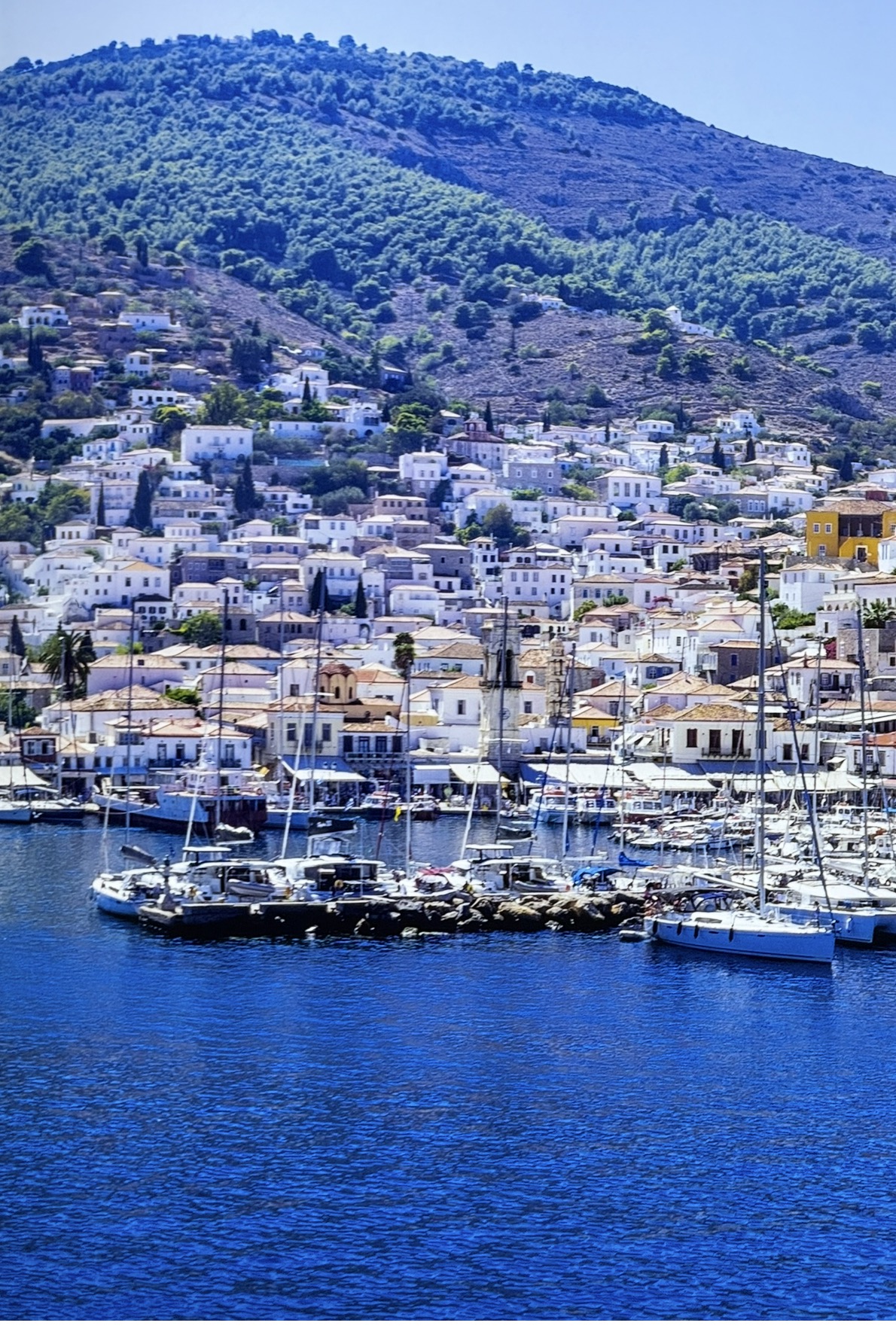
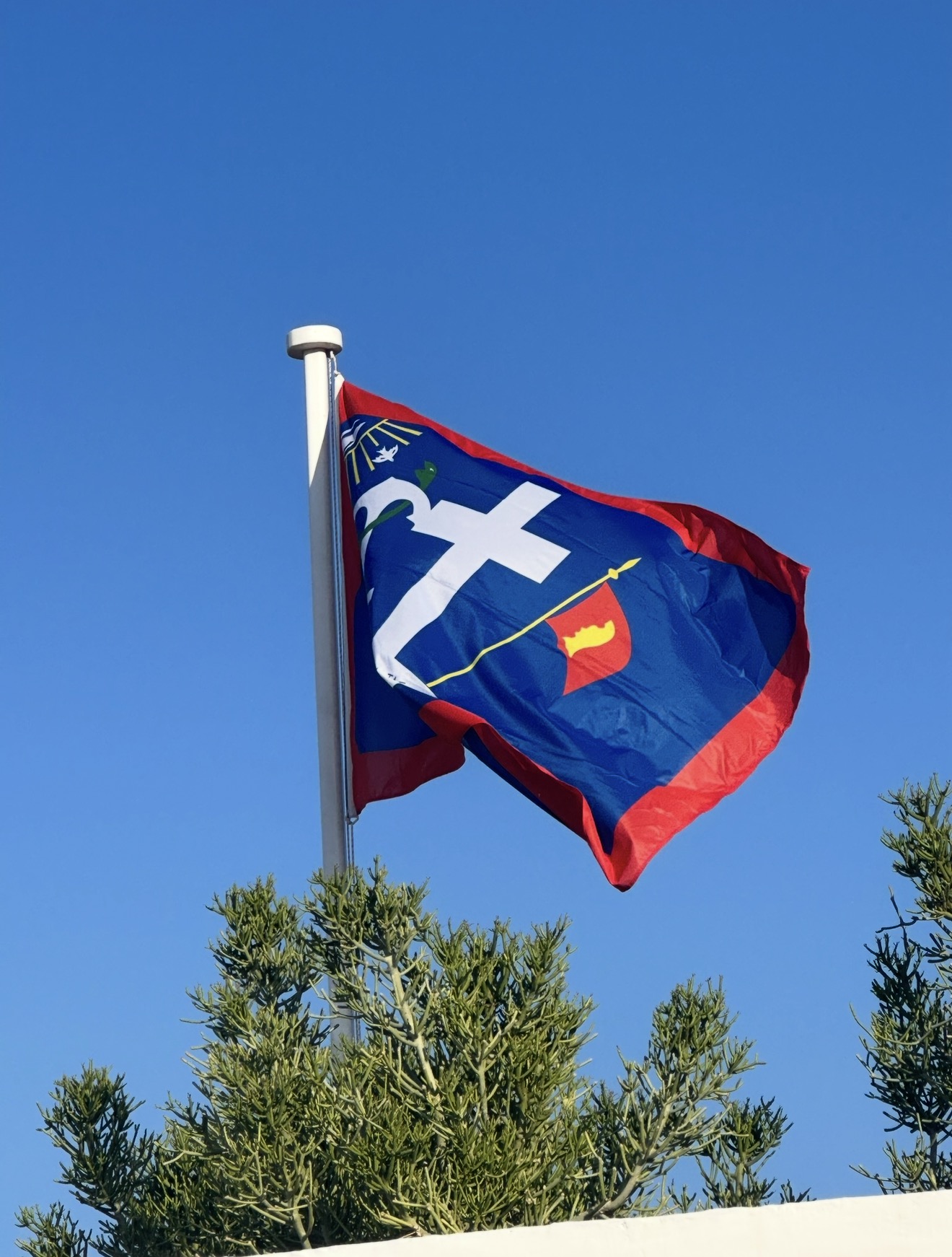
Hydra—Ύδρα in Greek—has a history far greater than its size might suggest. Today it is celebrated for its elegant harbour, stone mansions and car-free streets. Its greatest legacy, however, was forged at sea.
Archaeological evidence suggests that Hydra was inhabited from at least the Mycenaean period. For much of antiquity and the Byzantine era, its rocky landscape and shortage of fresh water kept the island relatively isolated.
Following the fall of Constantinople, Hydra became a refuge for people escaping conflict, piracy and Ottoman expansion. Settlers arrived from Epirus, Euboea, Crete, Kythnos, Asia Minor and the Peloponnese.
With little fertile land, the Hydriots turned towards the sea. They developed a formidable merchant fleet, trading throughout the Mediterranean and beyond.
The resulting wealth financed the magnificent stone mansions that still rise above the harbour—the homes of great ship-owning families including the Koundouriotis, Tombazis and Miaoulis.
02 — Greek independence
Hydra reached the height of its influence during the Greek War of Independence. Together with Spetses and Psara, the island formed the backbone of the revolutionary navy.
Wealthy shipowners converted merchant vessels into warships, while Hydra’s experienced captains and sailors took the fight to the Ottoman fleet. Admiral Andreas Miaoulis ↗ became the island’s most celebrated naval hero.
The leadership, ships and financial support of Hydra’s families made an essential contribution to the creation of modern Greece.
International trade routes changed and steamships began replacing traditional sailing vessels. Fishing and sponge diving brought periods of renewed prosperity, but Hydra never regained its former maritime dominance.
Hydra’s preserved architecture and distinctive atmosphere attracted artists, writers and filmmakers. Boy on a Dolphin ↗, starring Sophia Loren, was filmed here in 1957.
Leonard Cohen ↗ bought a house on Hydra in 1960 and wrote some of his early work on the island.
Hydra’s ships, sailors and fortunes helped shape the birth of modern Greece.
The island’s remarkable story remains visible around every corner.
Modern Hydra is a protected historic treasure. Cars and motorcycles are largely absent, and movement around the island still depends on walking, boats, mules and donkeys.
Its history lives on through its museums, captains’ houses, churches, monasteries and harbour fortifications.
Choose a gentle coastal stroll, a rewarding climb or a full-day route into Hydra’s wild interior.
The coloured line is a route overview. Open walking directions for live turn-by-turn navigation; remote mountain paths may not be fully mapped.
A small island.
A great history.
A character entirely its own.